
Lost No More
A CVI Story Continued

I was 35 years old as I sat, preparing materials for a student with Cortical Visual Impairment (CVI). I was going to have my student do an activity with solid colored objects on a black background. I remember the moment I first put the single color toy on the black mat. I sat back and looked at it, a feeling of deep calm and relief sweeping over me. It was like someone had finally turned off an obnoxious radio that had been on all my life. I felt so calm, all I wanted to do was sit at my teaching table and look at this toy on the black mat. Since I had a laundry list of other things to do, dismissed the feeling, removed that toy from the mat and put a different one on. Again, the feeling of deep calm and relief swept over me and I felt compelled to look at the toy more closely.

I felt a bit silly, but this simple child’s toy had become the most interesting thing in the world to me. I became fascinated by it and wanted to look at it from all sides, curious about what it looked like from different angles. Once more, I dismissed my curiosity, I finished preparing the activity and went on to put a schedule together my student to use.
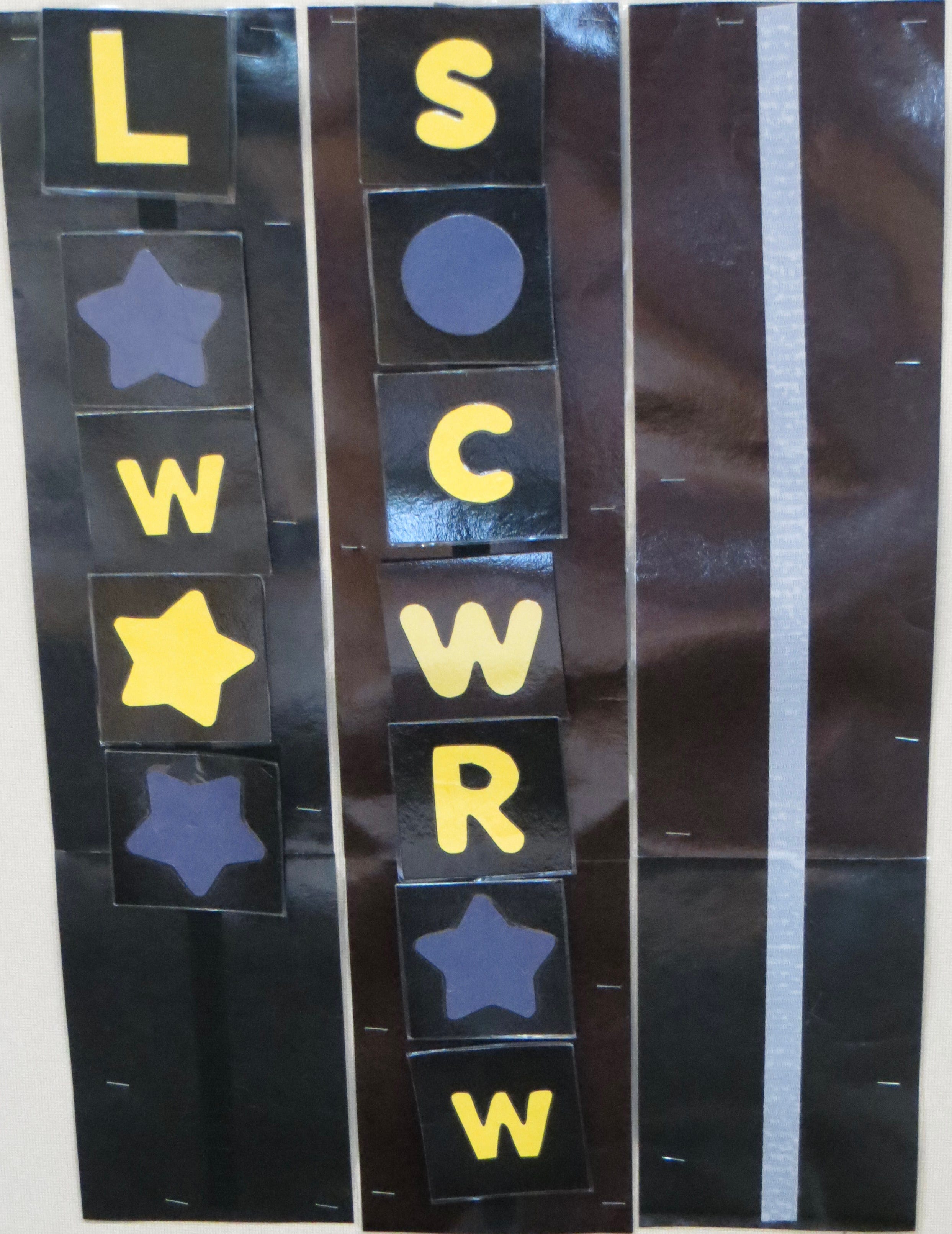
Once I had it put together, I sat back and looked at it. I felt the same sense of relief I’d felt when looking at the solid color toys on the black mat. This time, I took notice. I looked around my classroom at the other students’ schedules.
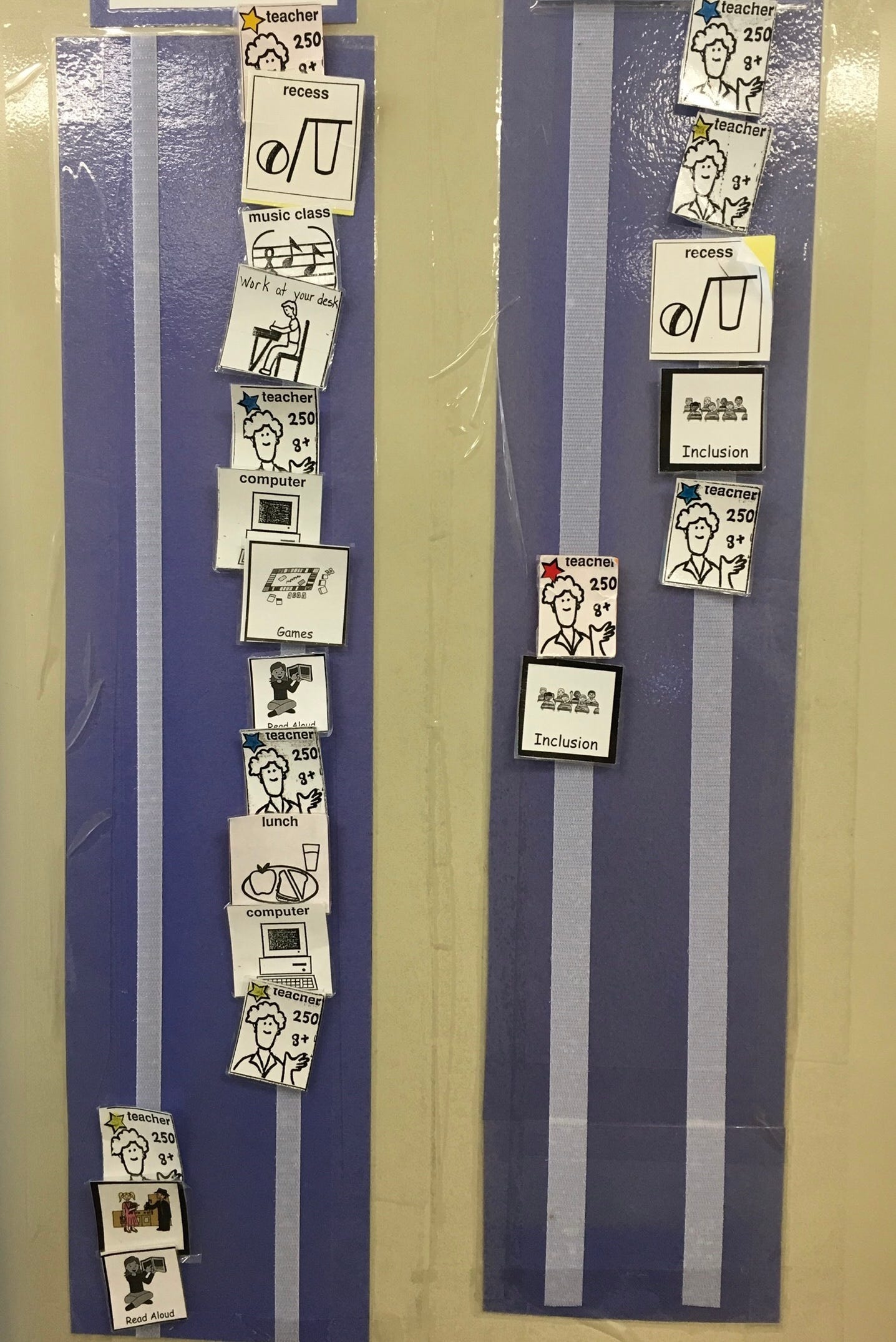
Just looking at them made me feel exhausted, stressed and anxious. Looking back at the schedule for my student with CVI, I felt better.
“These CVI accommodations are helping me, too,” I thought. I wasn’t sure what to make of it. Did I have CVI? I’d never noticed anything the matter with my vision before. In my head, I ticked off a few of the CVI accommodations I’d just learned about:
Simplify the visual environment.
Use solid color objects.
Put extra space between objects.
Put anything the person needs to look at close to them.
I had always hated cluttered classroom walls and never put much in the way of decorations up in my own classroom. I kept countertops as clear as I could. In emails, I put extra space between paragraphs and used bullet points to highlight specific information I wanted the recipient to notice. I avoided visually busy worksheets and other curricula that had complex illustrations. I’d done all of that because I needed these things, but I had long suspected my students needed them, too. I realized in that moment that, for my entire career, I’d been unknowingly using CVI accommodations. Did I have CVI?
I wouldn’t be sure for several more years, but yes, I’m pretty sure I have CVI.
If you read my previous blog post, Lost in Plain Sight, you have read one example of how it impacted me. But what do you do about it?
A full explanation of how to help someone with CVI goes far beyond the scope of one blog post. What I can do is to introduce a concept that is significant for anyone with CVI: Visual Complexity.
What is visual complexity?
An easy way of thinking about it is visual busyness. Here are just a few examples of visual complexity:
Clutter
Patterned surfaces (like floral fabric, polka dots, illustrations, etc.)
Several objects on a counter
A bookshelf with lots of books or decorations
A pencil box filled with school supplies
An iPad screen or phone screen with all those apps on it (it’s even more complex if the wallpaper behind the apps is patterned)
A coatrack with coats on it
Text; a book, a blog post, an email, etc.
Social media pages
The brain of someone with CVI just can’t interpret those things very well. For me, trying to make myself look at something that’s too complex, immediately makes me exhausted, nauseous, irritable or anxious.
Here are some examples of different levels of visual complexity:
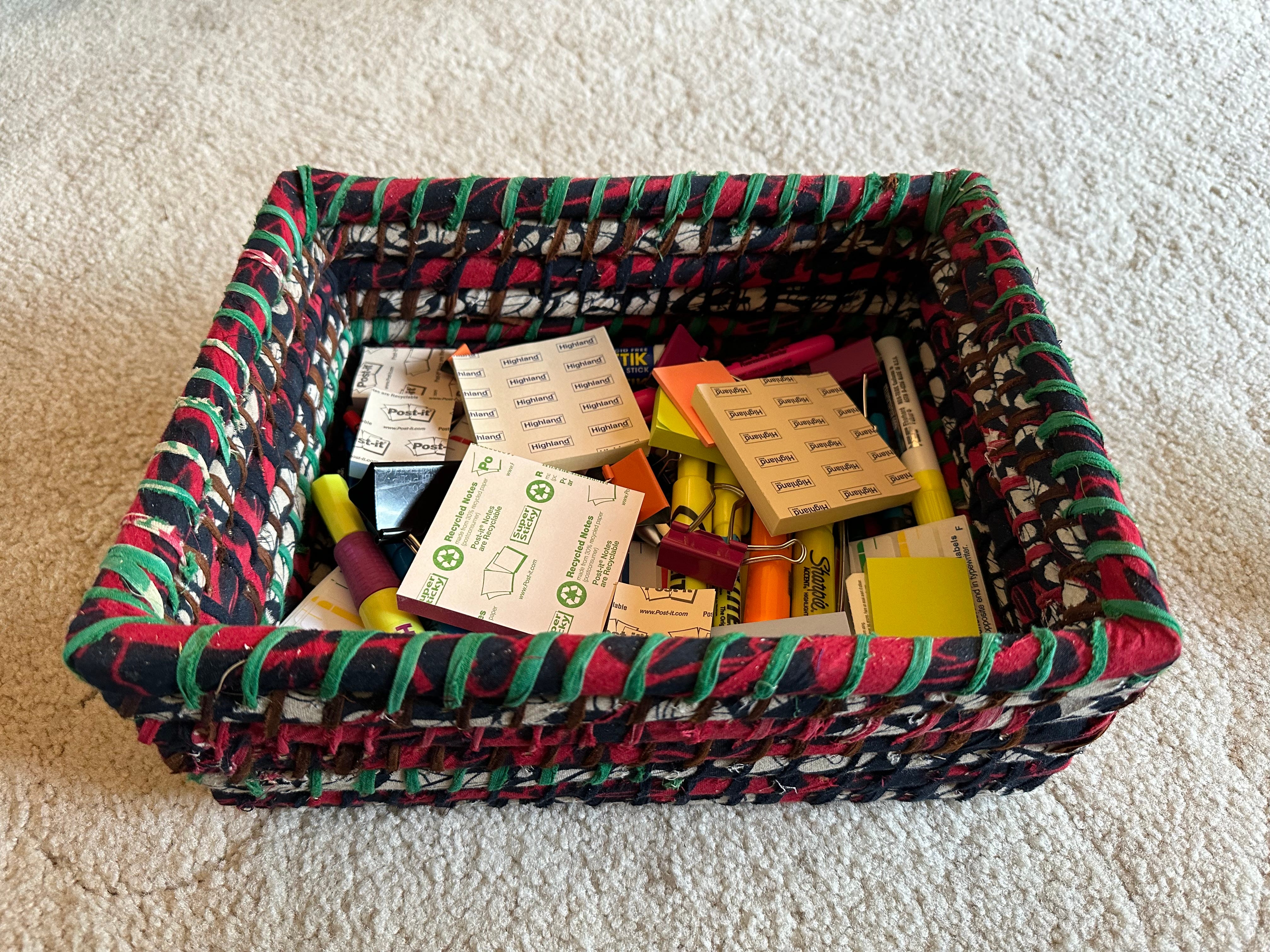
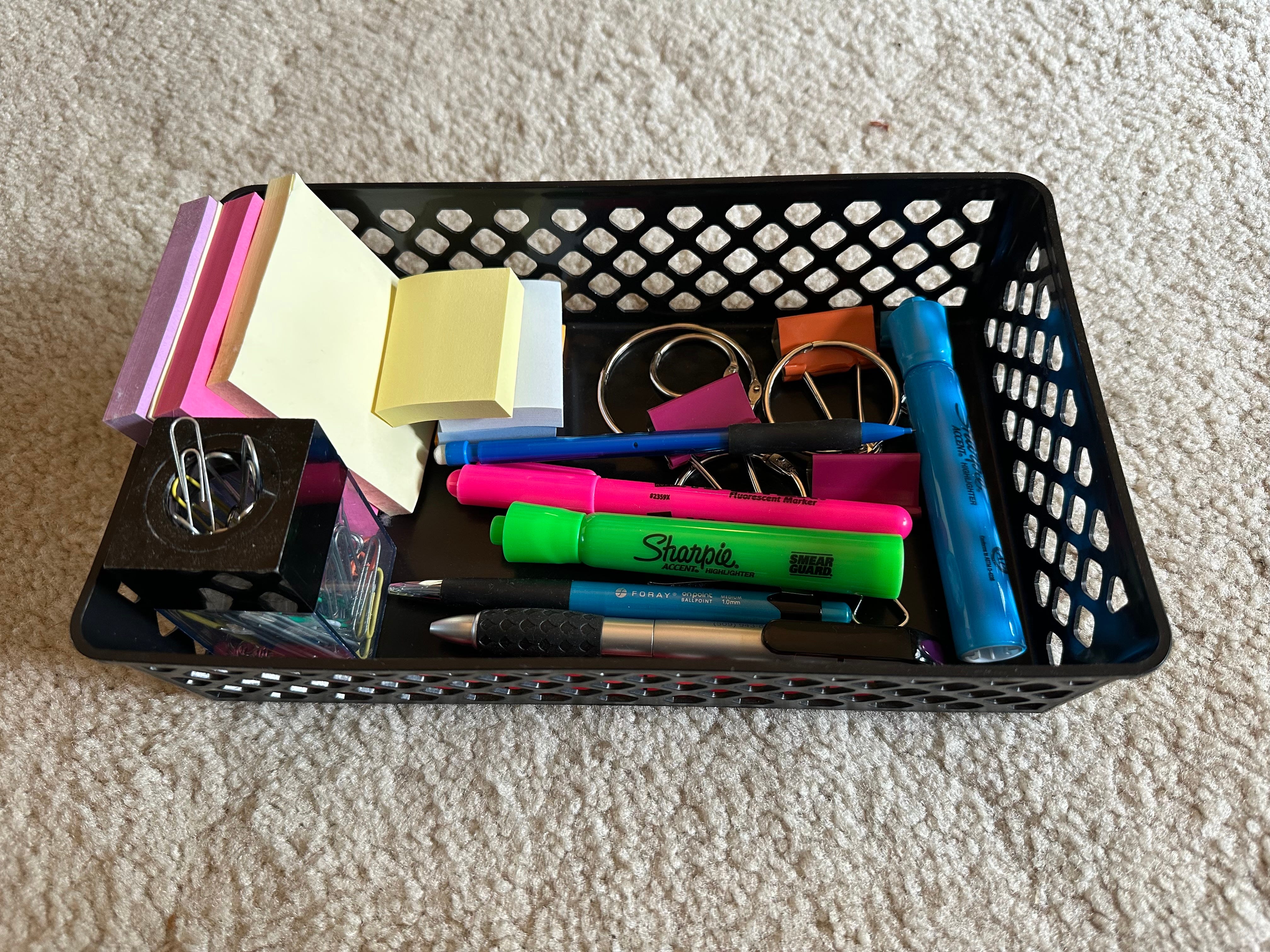
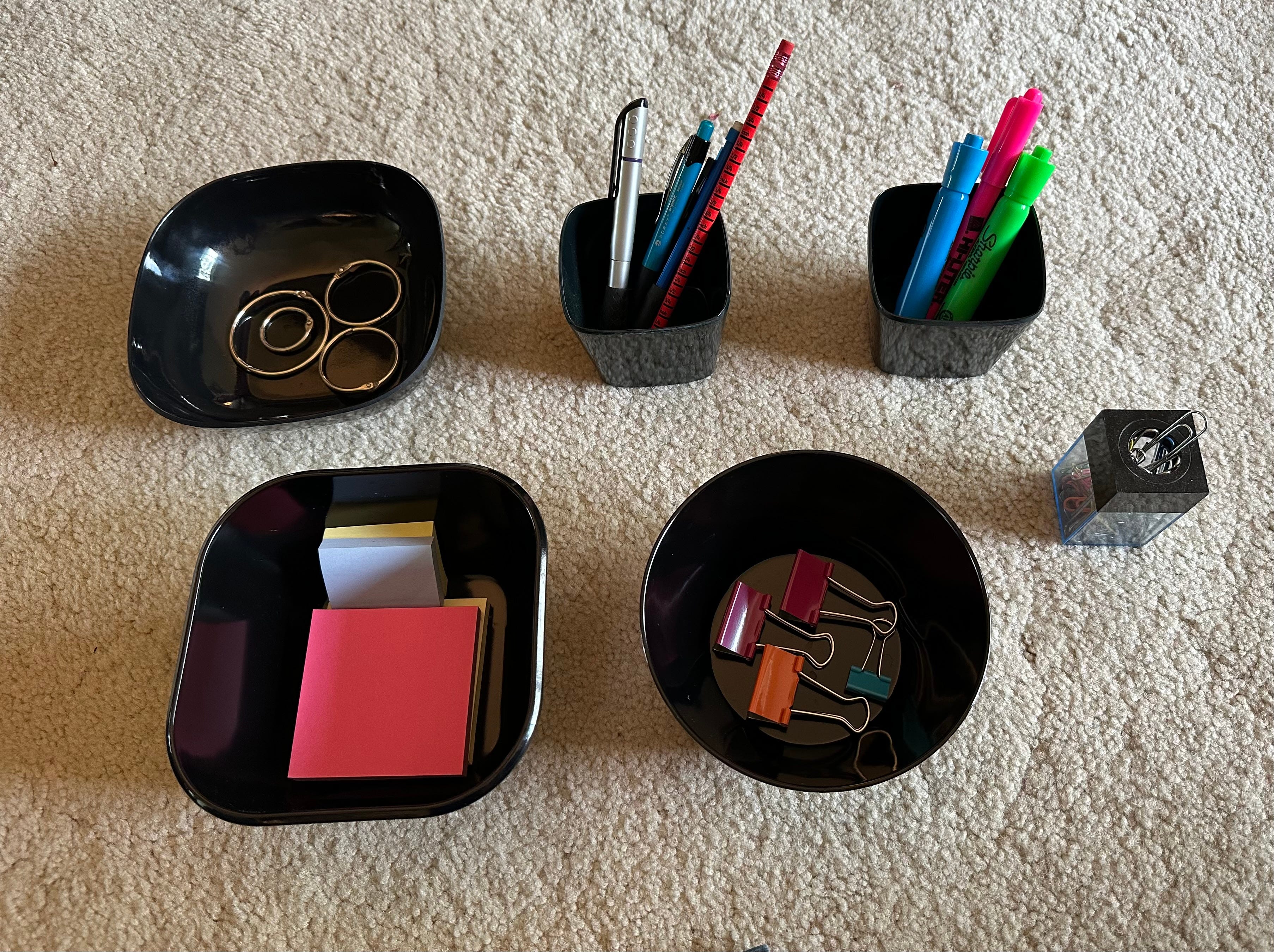
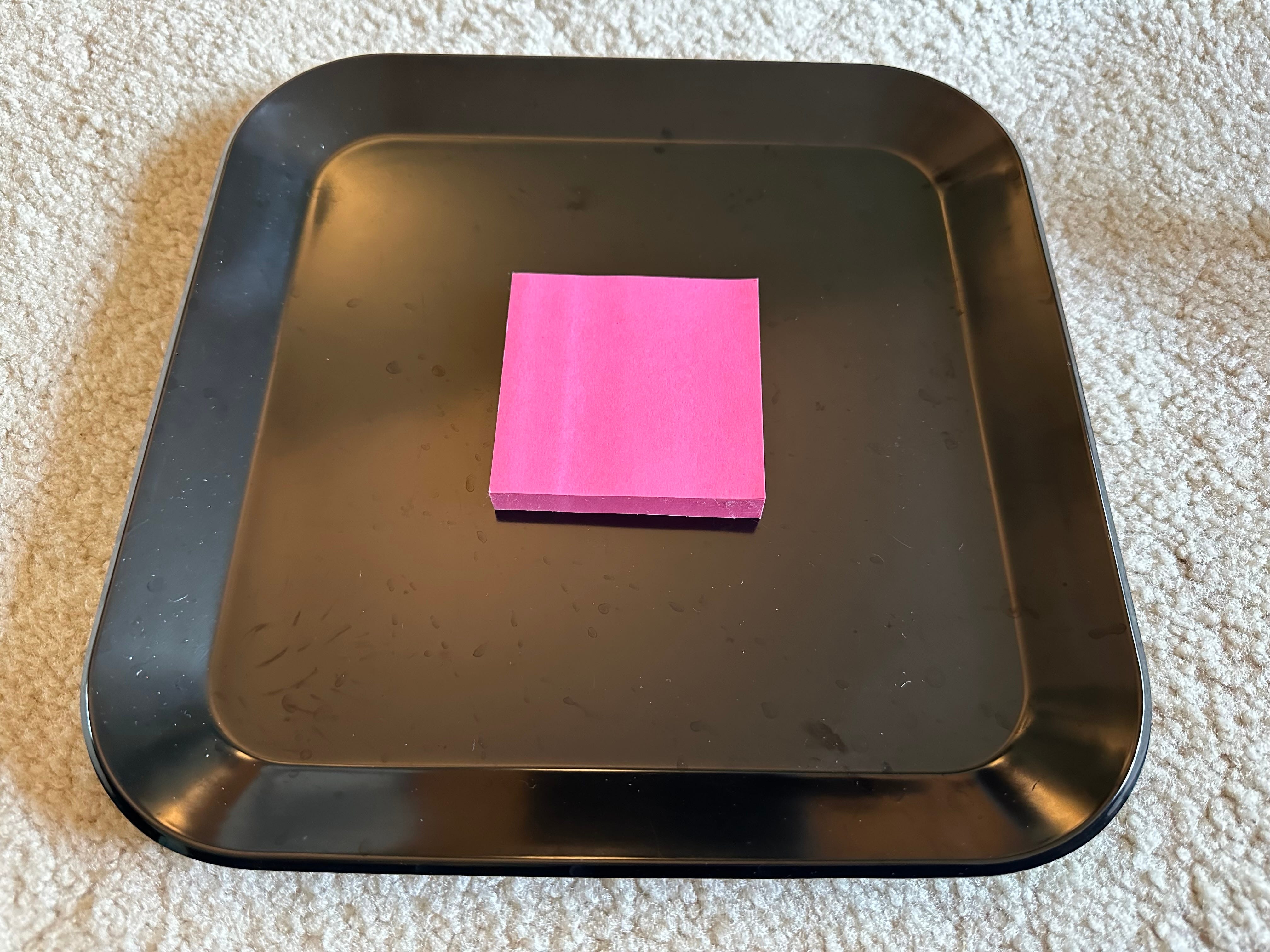
What’s the right level of complexity?
That entirely depends on the person. Each person with CVI has unique needs, which is why it’s important for a teacher of the visually impaired who has training in CVI to help with creating accommodations. But, even if you don’t have access to a teacher of the visually impaired or if you / your child don’t qualify for services for the visually impaired, you can still experiment with different levels of visual complexity to see what helps you feel better.
Here are some ways to know if you have the right level of complexity:
Feeling more comfortable and less anxious / fatigued / irritable.
Becoming curious about what you’re looking at and enjoying looking at it.
Being able to do the activity more easily.
Learning more easily.
Feeling happier.
In my previous blog post, I asked you to imagine what it might feel like to live with CVI, to have the world feel confusing and nonsensical. I asked you to imagine what socializing might feel like if you couldn’t interpret visual social cues: Would it be fun or anxiety provoking? Would you be motivated to go out and see friends or would you rather stay home? Would you feel socially connected or isolated & lonely?
Now, imagine if you’re a person with CVI who has felt overwhelmed, exhausted, socially isolated or confused because you didn’t have the visual information you needed in order to make sense of the world and then you have accommodations that help the world make more sense. You’re not as tired. You’re not as anxious or overwhelmed. You may have some social opportunities. You may have some recreational activities you can enjoy more. How would you feel? I felt an overwhelming sense of relief to be able to life my life the way I wanted to live it.
We’re all so stressed and tired that many of us have forgotten (or never realized) that life doesn’t have to be so hard. Life can feel easier and more enjoyable. We can feel happier. If we understand that, we can start to look for ways to bring more comfort and ease into our lives. That’s what CVI accommodations are all about - helping people access the world in a comfortable, easy way. The more people can access the world in a comfortable, easy way, the more possible it becomes for them to fulfill their potential.
Beginning July 1, I am offering a course through my business, Neely Learning Community, specifically for educators. In this course, I will teach much more about CVI and other forms of neurological sensory impairment and how you can help the students you work with. All educators are welcome!
Like what you read? Share it! Help me spread the word about CVI and other neuroplasticity subjects.
Neely Learning Community - Website Link